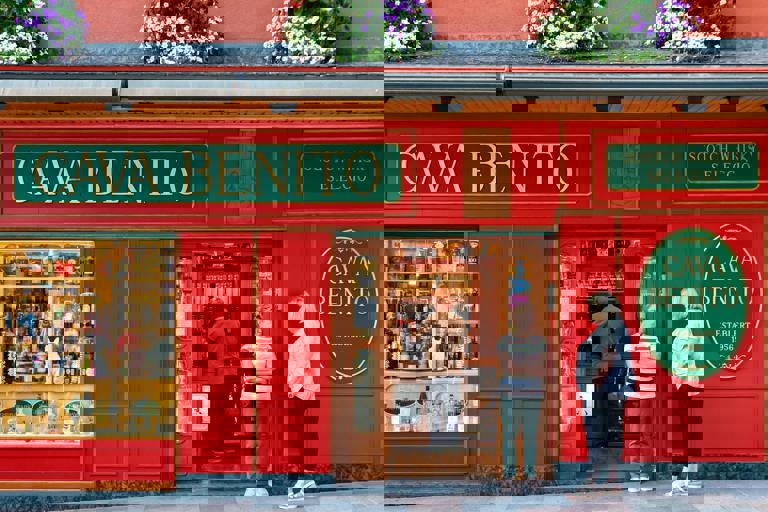
Cheese enthusiasts from across the region converged this weekend at the much-anticipated Artisanal Cheese Fair, where farm-to-table producers proudly displayed their wares. The event, known for celebrating craftsmanship and local agriculture, offered attendees a unique chance to sample a diverse range of cheeses. Every stand told a story, with makers eager to share insights about their traditional processes and the distinctive flavours that set their creations apart.
The fair bustled with visitors keen to learn about how their favourite cheeses make the journey from farm to table. Organisers set up interactive stations where guests could witness first-hand the intricacies of cheese production. Children gazed in fascination as curds were shaped and pressed, while adults engaged in lively discussions with producers about the importance of sourcing local ingredients and maintaining artisanal techniques.
Several cheesemakers offered guided tastings, expertly pairing their products with local bread, fruits, and preserves. Each tasting was an educational experience, with producers explaining how terroir—the unique environment where the cows, goats, or sheep are raised—affects flavour and texture. "Our Somerset Brie, for instance, has a creaminess you won't find elsewhere," noted producer Ellen Porter. "It's all in the pasture."
Demonstrations were a highlight of the event, drawing crowds eager to witness the cheese-making process in action. Local producer Gareth Williams captivated audiences by crafting a traditional farmhouse cheddar, patiently explaining each step from curdling to aging. Attendees peppered him with questions about the science behind fermentation and the secret to achieving a perfect crumbly texture, fostering a deeper appreciation of artisanal skills.
One of the fair's missions was to connect consumers directly with producers, promoting transparency and supporting rural economies. Buyers from delicatessens, restaurants, and specialty shops mingled with farmers, sampling cheeses and discussing wholesale opportunities. This direct engagement helps smaller producers gain visibility in a crowded market, while consumers benefit from learning the origins of their food and supporting sustainable practices.
The event also hosted a series of panel discussions focusing on the challenges and opportunities facing small-scale cheesemakers. Topics included navigating post-Brexit regulations, animal welfare standards, and the impact of climate change on dairy farming. "Collaborations like this help our industry adapt and thrive," commented Emma Davies, a sheep's cheese producer. She highlighted collective efforts to reduce environmental footprints through improved grazing and energy efficiencies.
Visitors were treated to a wide spectrum of cheeses, from sharp, mature cheddars to creamy blues and delicate goat’s milk varieties. Producers showcased novel recipes alongside must-try classics, enticing cheese lovers to expand their palates. The inclusivity of the fair allowed for discussions of vegan and lactose-free alternatives, ensuring that everyone could participate. Many attendees left with armfuls of freshly purchased cheese and newfound favourites.
Local food and drink vendors complemented the cheese with craft ciders, chutneys, and artisanal breads, underlining the interconnectedness of the region's food culture. Partnerships between cheese producers and other local artisans were evident, with shared stalls and collaborative displays. Organiser Simon Tait remarked, “It’s wonderful seeing our producers working together. That spirit of collaboration strengthens our local food network and supports the community.”
Workshops throughout the day encouraged hands-on participation. Aspiring cheesemakers could try their hand at stretching mozzarella or shaping soft cheeses under expert guidance. For children, special sessions introduced the basics of dairy farming and cheese tasting in a fun, accessible way. These activities aimed to inspire the next generation, fostering respect for food producers and encouraging curiosity about traditional crafts.
To further support the farm-to-table ethos, several producers invited fair visitors for upcoming on-farm tours and cheese-making classes. These immersive experiences are designed to give consumers an even closer look at the full journey of cheese production, from pasture to plate. Farmer Briony Clarke explained, “When people see the care and work that goes into each wheel, it deepens their appreciation for quality and sustainability.”
The Artisanal Cheese Fair concluded with an awards ceremony honouring stand-out producers in categories such as Best New Cheese, Sustainability, and Public Favourite. The judging panel, comprised of food writers and culinary experts, praised the innovation and dedication evident throughout the festival. As the crowds departed with bags filled with handcrafted goods, it was clear the event had successfully celebrated the enduring appeal of traditional cheese-making and the vital contributions of regional producers.