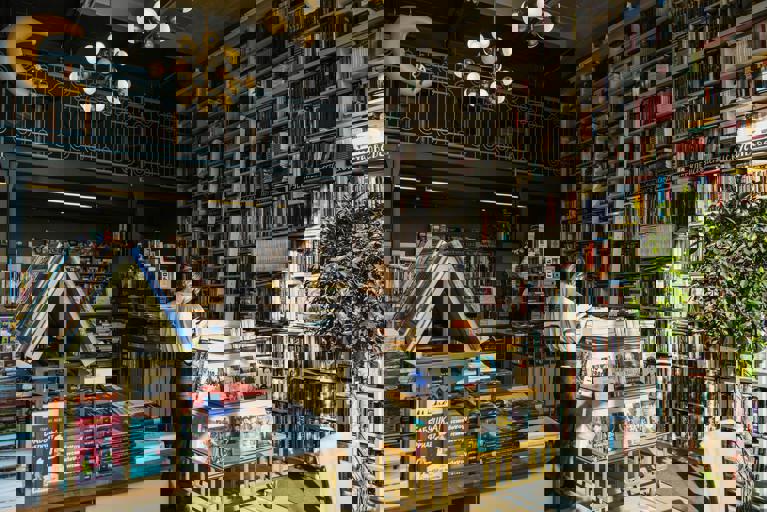
Nestled on a bustling high street, Smithson Books has become a testament to resilience in the face of rapid technological change. Family-run for over forty years, the bookshop persists and even flourishes, despite predictions that e-books and online giants would bring about the demise of physical bookstores. The shop’s timeworn wooden shelves and inviting reading nooks offer a nostalgic experience increasingly rare in today’s digital era.
The shop’s longevity is, in part, due to its ability to reinvent itself while staying true to its roots. Karen Smithson, the second-generation owner, recounts how her parents opened the bookstore in 1981, focusing on personal service and a carefully curated selection. "My family has always believed in the community aspect of bookselling," she notes. "We know our customers by name and recommend titles based on their interests."
While national statistics indicate a troubling trend for independent bookstores, Smithson Books bucks the data. According to the Booksellers Association, over 300 bookshops have closed in the UK in the past decade. Yet, Karen’s shop has witnessed a modest uptick in foot traffic and sales, attributed significantly to its unique inventory of rare and out-of-print volumes that attract collectors and literary enthusiasts alike.
The rise of digital reading has not left Smithson Books untouched. Karen confirms that e-book sales have eaten into general fiction and popular non-fiction categories. However, she’s observed a countertrend: dedicated readers still cherish the tactile pleasure of print, especially for special editions, signed copies, and visually rich works. The shop responds by prioritising these unique physical books over mass-market paperbacks.
A significant driver of the shop’s enduring appeal lies in its cosy author events and readings. Smithson Books hosts regular gatherings where visitors can engage with writers in intimate settings, something online platforms cannot truly replicate. Local author David Hargreaves describes these events as "invaluable opportunities to connect with readers, share stories, and foster a real sense of literary community."
Attendance at these gatherings is steadily increasing, with some events drawing standing-room-only crowds. According to the shop’s records, their quarterly poetry night attracts an intergenerational audience, from teenagers to retirees. The success of these events not only sells books on the night but leads to repeat visits, as attendees are often converted into habitual customers who value the shop’s personal touch.
The shop’s staff are trained not just as salespeople, but as passionate bibliophiles familiar with various genres and literary trends. Long-time employee Martin Phillips explains, "People are looking for more than a transaction—they come to us for recommendations, discussions, and, sometimes, a bit of companionship. That is something no algorithm can replace." This level of expertise helps forge lasting bonds with readers who return for more than just books.
To compete in an increasingly digital marketplace, Smithson Books also embraces technology thoughtfully. Its website features a blog, staff reviews, and an easy-to-use reservation system, but refrains from trying to mirror the all-encompassing inventories of online retailers. Instead, the shop utilises its web presence primarily to showcase its curated finds, event schedules, and to highlight the human side of its operations.
Beyond commercial strategies, the shop is committed to fostering local cultural engagement. Collaborations with schools, libraries, and reading groups have become a core component of its survival strategy. Pupils from nearby primary schools often visit for storytime sessions, while local reading groups hold their monthly discussions within the shop’s walls, reinforcing its position as a cherished community hub.
Another piece of the success puzzle is the shop’s ability to secure and promote rare and collectible books. These volumes—be they first editions, signed prints, or antiquarian treasures—fetch higher prices and draw customers from far beyond the immediate area. A recent acquisition, a signed copy of a novel by a Booker Prize-winning author, generated significant media interest and brought collectors to the door.
Economic pressures, from rising rents to supply chain issues, remain a daily reality. Karen admits, "We have to keep a keen eye on costs while ensuring our range remains interesting and relevant." The shop negotiates with indie publishers and local authors, often buying on more flexible terms. This approach helps keep shelves fresh and financially sustainable despite thin retail margins.
Smithson Books’ story resonates with independent shop owners across the country. As digital competition intensifies, those who have survived often share similar characteristics: adaptability, a strong community focus, and deep-rooted passion for books. The Booksellers Association affirms this trend, noting that shops able to differentiate and innovate are the most likely to withstand economic and technological disruptions.
Looking ahead, Karen and her team remain cautiously optimistic. "We can’t out-innovate the tech giants, and we wouldn’t want to," she concludes. "But what we offer here—rare books, memorable human interactions, and a sense of belonging—will always have value. As long as readers crave these experiences, we’ll keep the doors open and the shelves stocked with stories waiting to be discovered."